

One of the parts of the Jesus Myth Theory is that the (supposed) similarities to pagan myths argues against the historicity of the events being described. There are two completely separate categories: myth and history. You can only be one or the other.
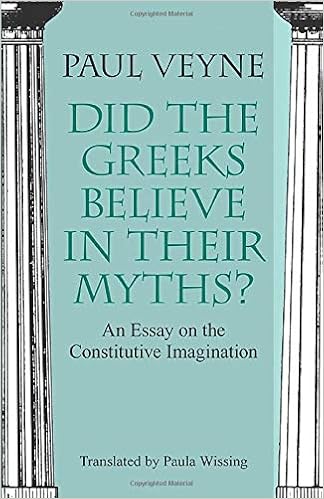
But is it as clear as that? Did the ancients understand their myths as reflecting truth (including historical truth)? This is what Paul Veyne tackles in his book, Did the Greeks Believe in Their Myths?
This is a good question. When the Greeks read about the Trojan War, did they believe such a battle actually took place? Was there really a hero named Heracles?
As should be expected, there was a complex understanding of the Greek myths. There were some that doubted certain aspects of the myths. For example, those who were very devout or were philosophically-minded, questioned that Zeus and other gods acted as immorally as described in the myths.
However, most did believe that there was some historical kernel around which other ideas may have been added to. Many of the figures described in the myths were believed to have existed and to have done something like what they are described as doing.
At one point, Veyne refers to “anticlericals who deny the historicity of Christ (which irritates me, atheist that I am).” Even if there were some similarities between the Gospels and the myths, that would not mean that the original audience took that as a sign that Jesus was not historical. If anything, it would have been the opposite.
If you have an interest in Greek mythology, this book is a great resource.


